
“For you see your calling, brethren, that not many wise according to the flesh, not many mighty, not many noble, are called. But God has chosen the foolish things of the world to put to shame the wise, and God has chosen the weak things of the world to put to shame the things which are mighty; and the base things of the world and the things which are despised God has chosen, and the things which are not, to bring to nothing the things that are.” 1 Corinthians 1:26-28 (New King James Version)
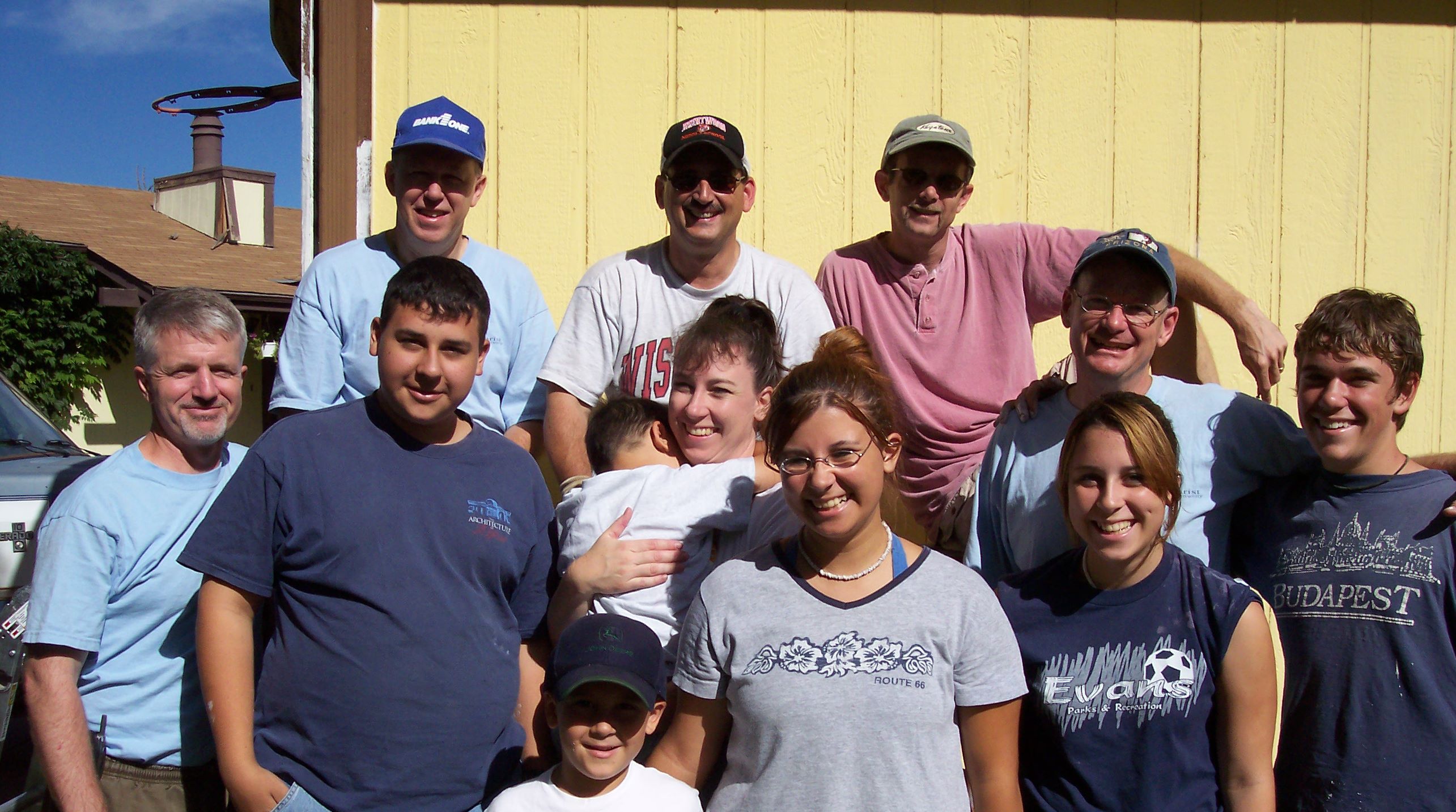
“Doris” was a widow who lived in Quincy, Illinois, a town of about 40,000 people nestled alongside the Mississippi River in the west central part of the state. Doris had a very unusual team. It was made up of three physicians from the local clinic. A fourth member was the son of a physician. So every month Doris received a “house call” from three doctors and the son of a doctor!
A team of four men, three of whom were physicians, visiting the same widow every month for years may seem like ministry overkill. To a certain extent, it is. On the other hand, this team was sending a very important message to its community: every person has infinite value in the sight of God and no one is too important or too valuable to serve them.
Francis Schaeffer, the influential Christian philosopher who ministered during the middle of the twentieth century, has a famous sermon entitled, “No Little People, No Little Places.” He and his wife, Edith, began their ministry in a remote village in the French Alps based on the principle that no one is insignificant. They began taking in visitors from all over the world and wound up having an influence far beyond their little ministry called “L’Abri.”
The world – and even the church – send all kinds of subtle and not so subtle messages that the elderly, the widowed, single parents and the poor are not important demographics. Whether it’s in the form of TV programming and the advertising that sponsors it, or the ministry programming in our churches, these classes of people just don’t generate the income or the volunteers or the “image” these institutions think they need.
We have a mantra that the future of our church lies with our youth. But I often tell groups of men that the future of the church lies not with our youth, but with our widows. Because someday we’re going to die and leave our own wives as widows. How the church treats widows today is how the church will be treating our wives when we’re gone.
Your team’s care for your care receiver is proof that you value them in the sight of God. At this time of their life, they need to know that they have infinite value because they are immortal souls, created in God’s image.
This post first appeared in Doing Good Well, Thirty Daily Meditations on Developing a Biblical and Focused Discipline of Good Works, and in NewCommandment.org.